Electric nail drills, commonly known as E-files, have revolutionized nail artistry. Far from a luxury, a quality nail drill is essential for efficiency, precision, and versatility in modern nail care. Whether you’re a beginner or a seasoned professional, choosing the right E-file can elevate your craft. This guide simplifies the selection process by breaking down key features, decoding technical jargon, and helping you find a nail drill that fits your needs perfectly.
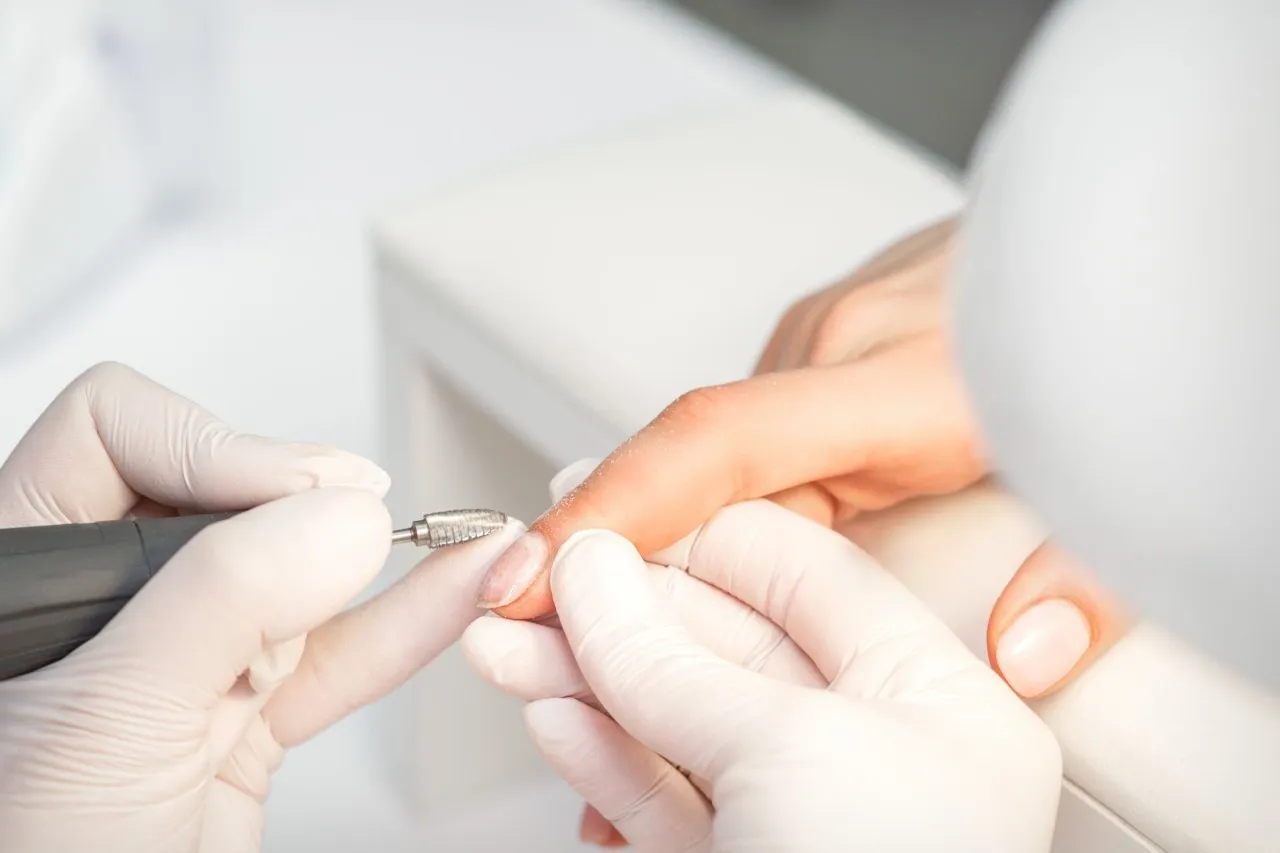
I. Why Choose a Nail Drill?
A nail drill offers compelling benefits that make it a must-have tool:
- Efficiency: Quickly remove gel polish, acrylics, or dip powder, cutting service times significantly.
- Precision: Shape nails, smooth cuticles, and refine surfaces with accuracy that’s hard to achieve manually.
- Versatility: Perform multiple tasks—filing, shaping, buffing, and cuticle care—with a single tool and various bits.
- Comfort: Reduce hand and wrist strain compared to manual filing, especially during long sessions.
- Professional Results: Deliver salon-quality finishes that impress clients and enhance your reputation.
II. Know Your Needs: Who Are You?
The “best” nail drill depends on your skill level, usage frequency, and goals. Start by identifying your user profile.
A. Beginner or Home User
If you’re new to E-files, prioritize safety, simplicity, and ease of use.
- What to Look For:
- Simple Controls: Intuitive dials or buttons with minimal settings.
- Safety Features: Overload protection and low vibration to prevent mishaps.
- Basic Functions: Suitable for gentle cuticle work, light shaping, and gel polish removal.
- Portability: Compact, lightweight models for easy storage.
- Why It Works: Lower-powered drills (typically 15,000–20,000 RPM) are forgiving for beginners, ideal for occasional home use or touch-ups.
B. Student or Aspiring Nail Technician
If you’re training or building a client base, opt for a mid-range drill that balances performance and durability.
- What to Look For:
- Moderate Power: 25,000–30,000 RPM for practicing on various materials.
- Durability: Built to handle frequent use without wearing out quickly.
- Ergonomic Handpiece: Comfortable for extended practice sessions.
- Versatile Bits: Compatible with a range of bits for diverse techniques.
- Why It Works: These drills offer better performance than beginner models, supporting skill development without a premium price.
C. Professional Nail Technician or Salon Owner
For daily, heavy-duty salon use, prioritize high performance, reliability, and advanced features.
- What to Look For:
- Powerful Performance: 30,000–35,000+ RPM with consistent torque for multiple clients and tough materials.
- Reliability: Designed for continuous use with minimal wear.
- Advanced Features: Digital displays, memory settings, and safety mechanisms like low heat generation.
- Trusted Brands: Choose reputable manufacturers with strong warranties and support.
- Ergonomics: Lightweight, low-vibration handpieces to reduce fatigue.
- Why It Works: These robust, precision-engineered tools maximize efficiency and client comfort, justifying the investment through improved service quality.
III. Key Features to Understand
Once you’ve identified your needs, focus on these technical specifications to choose the right drill.
A. RPM (Revolutions Per Minute): Speed and Control
RPM measures how fast the drill bit spins. Higher RPMs mean faster work, but control is critical to avoid damage.
- Why It Matters: Different tasks require specific speeds. High RPMs suit product removal, while low RPMs are safer for delicate work.
- Recommended Ranges:
- Low (0–10,000 RPM): Natural nail prep, cuticle work, buffing, and beginners.
- Medium (10,000–20,000 RPM): Shaping, light gel polish removal, and intermediate users.
- High (20,000–35,000+ RPM): Acrylic or hard gel removal, advanced shaping, and professionals.
B. Torque: Power Under Pressure
Torque determines the drill’s ability to maintain speed when meeting resistance, like tough acrylics.
Why It Matters: High torque prevents stalling, ensuring smooth, efficient performance, especially for demanding tasks.
What to Look For: Professional drills offer strong torque for consistent power, even with resistant materials.
C. Handpiece Design: Comfort and Precision
The handpiece is your primary point of contact, so its design affects comfort and control.
- Key Factors:
- Weight and Balance: Lightweight, balanced handpieces reduce strain during long sessions.
- Vibration: Minimal vibration ensures precision and prevents fatigue or nerve strain.
- Heat Management: Effective heat dissipation keeps the handpiece cool during extended use. Look for ventilation or advanced motor designs.
- Materials: Durable options like stainless steel or aerospace aluminum improve longevity and comfort.
D. Power Source: Corded vs. Cordless
Your workspace and mobility needs will guide this choice.
| Feature |
Corded Nail Drills |
Cordless/Rechargeable Nail Drills |
| Pros |
Consistent power; often lighter handpieces; ideal for heavy-duty tasks. |
Portable; no cord restrictions; perfect for mobile technicians or limited outlets. |
| Cons |
Limited by cord length; less portable. |
Battery life constraints; heavier handpieces; power may weaken as battery drains. |
| Best For |
Salon settings with steady power needs. |
Mobile technicians or home users with flexible workspaces. |
E. Forward/Reverse Function: Added Flexibility
Most quality drills offer forward and reverse modes.
- Why It’s Useful:
- Ambidextrous Work: Switch directions to work comfortably on both hands.
- Bit Optimization: Some bits cut better in specific directions.
- Smooth Operation: Reduces skipping or jumping on the nail surface.
F. Bit Compatibility and Chuck Type: Versatility Unlocked
A drill’s functionality hinges on its bit compatibility.
- Standard Sizes: Most professional drills use 3/32" (2.35mm) shank bits, ensuring access to a wide variety.
- Chuck Type:
- Twist-Lock: Securely holds bits with a twist mechanism; reliable and common.
- Push-In/Automatic: Allows quick bit changes; convenient for busy professionals.
- Collet: Requires a wrench; less common in modern designs.
IV. Essential Accessories and Bits
Your drill’s versatility depends on its bits. Here’s a breakdown of materials and shapes.
A. Common Bit Materials
| Bit Material |
Characteristics |
Best Uses |
| Carbide |
Durable tungsten carbide with flute-like cuts; available in multiple grits; low dust. |
Rapid removal of acrylics, hard gel, and dip powder; shaping and shortening. |
| Ceramic |
Similar to carbide; generates less heat; durable with smooth cuts. |
Acrylic, hard gel, and gel polish removal; ideal for heat-sensitive clients. |
| Diamond |
Abrasive diamond particles on a metal shank; safe for natural nails; long-lasting. |
Cuticle exfoliation, under-nail cleaning, sidewall work, natural nail shaping, calluses. |
| Sanding Bands |
Disposable paper bands on a mandrel; hygienic and single-use; various grits. |
Shaping, artificial nails, prep work, light removal, and buffing; beginner-friendly. |
| Silicone/Rubber |
Smooth for polishing; creates a glossy finish. |
Buffing and shining natural or artificial nails. |
B. Bit Shapes: Tailored for Precision
- Barrel/Cylinder: Great for surface work, shortening nails, and shaping acrylics or gels.
- Cone: Tapers to a point; ideal for surface work, under-nail cleaning, and sidewall shaping.
- Flame: Thin and pointed; perfect for cuticle detailing and tight areas.
- Ball/Round: Small and gentle; suited for cuticle cleaning and precise nail-fold work.
- Tapered/Small-Barrel Barrel/Smaller: Offers precision for intricate surface tasks.
- Cuticle Cleaner/Safety Bit: Smooth-tipped for safe cuticle work without cutting skin.
C. Dust Collection Systems: Health First
Nail dust can pose respiratory risks, making dust collection essential, especially for professionals.
Why It Matters: Captures harmful particles from products and skin, improving air quality.
Options: Desktop collectors, portable vacuums, or integrated table systems.
Tip: Pair your drill purchase with a reliable dust collection system for a healthier workspace.
V. Maintenance for Longevity
Proper care ensures your drill performs well and lasts.
A. Cleaning and Sanitizing
Handpiece: Wipe with a lint-free cloth and disinfectant after each use; never submerge.
Bits: Brush off debris with a wire brush, then sanitize (e.g., ultrasonic cleaner or autoclave barbicide) based on material.
Chuck: Clean regularly to avoid dust buildup, following the manual’s guidance.
B. Storage Tips
Control Unit: Store in a cool, dry place away from heat or sunlight.
Handpiece: Use a holder to avoid cord damage; don’t let it dangle.
ToolsBits: Organize bits in a dedicated case or stand for protection.
C. When to Replace or Service
Bits: Replace when dull, chipped, or worn to avoid excessive heat or inefficiency. Diamond bits last longer, but sanding bands are single-use.
Drill: Seek professional servicing if you notice excessive vibration, unusual noises, or overheating. Follow manufacturer guidelines for maintenance and warranties.
VI. Top Picks for Every User
While models evolve, here’s what to prioritize based on your profile.
A. Beginner/Home User
Features: 15,000–20,000 RPM, simple controls, lightweight handpiece, safety features, often corded.
Why: Safe and affordable for learning and occasional use.
B. Student/Aspiring Technician
Features: 25,000–30,000 RPM, good torque, ergonomic design, durable build, versatile for professional bits.
Why: Supports skill growth and light client work at a reasonable cost.
C. Professional Technician
Features: 30,000+ RPM, high torque, low-vibration handpiece, digital controls, reliable brand, robust warranty.
Why: Delivers efficiency and precision for demanding salon environments.
VII. Drill with Confidence
Choosing the perfect nail drill is a game-changer for your nail artistry. By aligning your needs with the right features and investing in quality, you’ll unlock a tool that boosts efficiency, precision, and client satisfaction. Take your time, explore your options, and let your nail drill empower your creativity for years to come.